
Case Studies
Discover real-world success stories powered by
our innovative solutions.
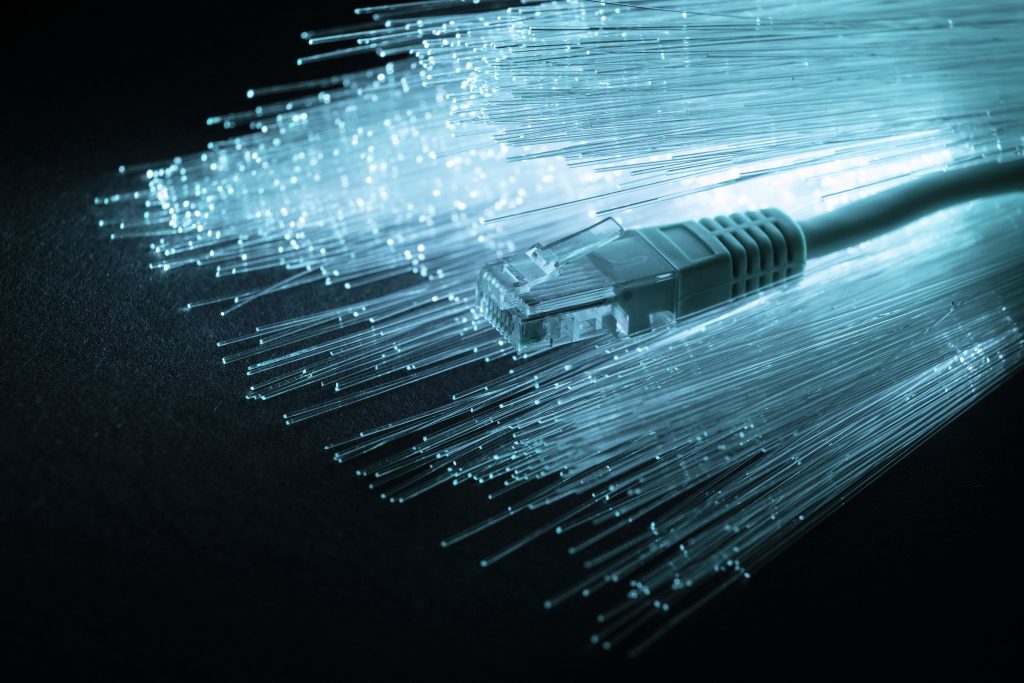
Optical fiber cable
Turning a Global Waste Crisis into Innovation
As the world races to expand digital connectivity, optical fiber cables are being installed at an unprecedented rate — and discarded just as quickly. But there’s a catch: these cables are notoriously hard to recycle.
Made up of a complex mix of plastics, metals, fiber, jelly compounds, PE, and PBT, optical fiber cables have long been considered a recycling challenge — too intricate, too uneconomical, and too messy.
We decided to change that.
Our team developed a proprietary process that separates and recycles each component efficiently and at scale. What was once waste is now raw material for new applications — from recycled plastics to repurposed metals.
Even more importantly, our recycled outputs have been tested and approved for various industrial uses, proving that sustainable innovation can also be commercially successful.
By closing the loop on optical fiber cable waste, we’re not just solving an environmental challenge — we’re building a scalable business model that turns complex global waste We currently extract and recycle the following materials from optical fiber cables:
1. PBT (Polybutylene Terephthalate)
2. HDPE (High-Density Polyethylene)
3. Glass Fiber
4. Aramid Yarn (Kevlar)
5. FRP (Fiber Reinforced Plastic Rods)
A global waste problem, solved through precision, persistence, and purpose.
We decided to change that.
Our team developed a proprietary process that separates and recycles each component efficiently and at scale. What was once waste is now raw material for new applications — from recycled plastics to repurposed metals.
Even more importantly, our recycled outputs have been tested and approved for various industrial uses, proving that sustainable innovation can also be commercially successful.
By closing the loop on optical fiber cable waste, we’re not just solving an environmental challenge — we’re building a scalable business model that turns complex global waste We currently extract and recycle the following materials from optical fiber cables:
1. PBT (Polybutylene Terephthalate)
2. HDPE (High-Density Polyethylene)
3. Glass Fiber
4. Aramid Yarn (Kevlar)
5. FRP (Fiber Reinforced Plastic Rods)
A global waste problem, solved through precision, persistence, and purpose.
Read more

Fishnets – PET/ Nylon/ PP/ PE
Ocean Waste, Recycled Right : Ghost Nets to Feedstock
Ghost nets — discarded or lost fishing nets drifting in oceans — are one of the most dangerous forms of marine pollution. These nets, often made from NYLON, PET, PP, and PE, continue to trap marine life long after they’ve been abandoned. They damage coral reefs, endanger biodiversity, and contribute heavily to the growing crisis of microplastics in our oceans.
These materials are strong, durable, and built to last — which makes them perfect for fishing, but devastating for the environment when left behind.
We’ve turned this problem into a solution.
Our process enables the collection, cleaning, and transformation of ocean-bound fishnets into high-quality recycled feedstock. Each step — from removing salt, biological contaminants, and other mixed materials — has been optimized to maintain the quality of the final product.
The result? Industrial-grade recycled materials that are approved for manufacturing use in textiles, automotive components, packaging, and more.
We currently recover and recycle:
1. Nylon (typically Nylon 6 and 66)
2. PET (Polyethylene Terephthalate)
3. PP (Polypropylene)
4. PE (Polyethylene)
By recovering ghost nets and giving them a second life, we’re not just protecting marine ecosystems — we’re creating a circular economy model that adds commercial value to environmental action.
Ghost nets don't belong in the ocean — they belong in the supply chain. And that’s exactly where we’re putting them.
We’ve turned this problem into a solution.
Our process enables the collection, cleaning, and transformation of ocean-bound fishnets into high-quality recycled feedstock. Each step — from removing salt, biological contaminants, and other mixed materials — has been optimized to maintain the quality of the final product.
The result? Industrial-grade recycled materials that are approved for manufacturing use in textiles, automotive components, packaging, and more.
We currently recover and recycle:
1. Nylon (typically Nylon 6 and 66)
2. PET (Polyethylene Terephthalate)
3. PP (Polypropylene)
4. PE (Polyethylene)
By recovering ghost nets and giving them a second life, we’re not just protecting marine ecosystems — we’re creating a circular economy model that adds commercial value to environmental action.
Ghost nets don't belong in the ocean — they belong in the supply chain. And that’s exactly where we’re putting them.
Read more
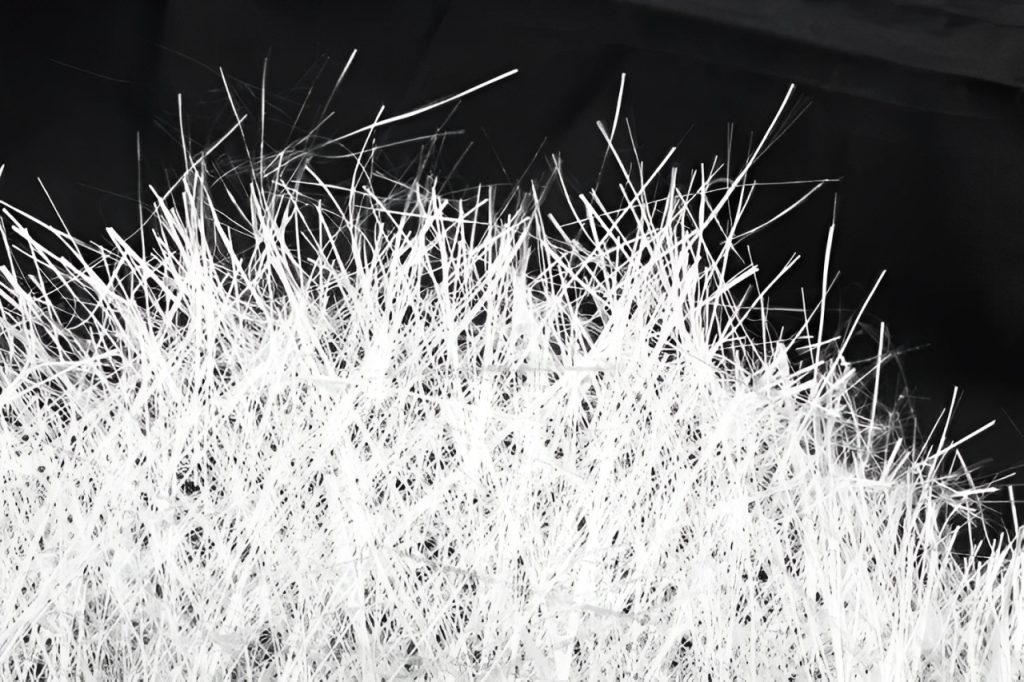
Fiber – Glass / Aramid / Carbon
Chopped Fiber from Aramid, Glass & Carbon Waste
High-performance fibers like aramid (e.g., Kevlar), fiberglass, and carbon fiber are essential in industries such as aerospace, automotive, and defense due to their unmatched strength-to-weight ratios. However, they pose a serious challenge at end-of-life.
High-performance fibers like aramid (e.g., Kevlar), fiberglass, and carbon fiber are essential in industries such as aerospace, automotive, and defense due to their unmatched strength-to-weight ratios. However, they pose a serious challenge at end-of-life.
Once used in composites or woven into fabrics, these materials are extremely difficult to recycle. Most of this industrial waste ends up in landfills or incinerators — a costly and unsustainable solution for such valuable raw materials.
We’ve engineered a better way.
Through our advanced chopping and milling process, we are able to recover and repurpose these high-performance materials into chopped fibers and milled powders, suitable for reuse in :
1. Reinforced thermoplastics
2. Friction materials
3. Construction applications
4. Coatings and paints
5. Lightweight composites
We currently recycle:
1. Aramid fibers (Kevlar, Nomex, etc.)
2. Fiberglass
3. Carbon fiber
Our process not only prevents this advanced waste from reaching landfills, but also returns it to the supply chain as a valuable, cost-effective, and sustainable alternative to virgin fiber.
Recycling performance materials takes performance thinking — and that’s exactly what we’ve built.
Once used in composites or woven into fabrics, these materials are extremely difficult to recycle. Most of this industrial waste ends up in landfills or incinerators — a costly and unsustainable solution for such valuable raw materials.
We’ve engineered a better way.
Through our advanced chopping and milling process, we are able to recover and repurpose these high-performance materials into chopped fibers and milled powders, suitable for reuse in :
1. Reinforced thermoplastics
2. Friction materials
3. Construction applications
4. Coatings and paints
5. Lightweight composites
We currently recycle:
1. Aramid fibers (Kevlar, Nomex, etc.)
2. Fiberglass
3. Carbon fiber
Our process not only prevents this advanced waste from reaching landfills, but also returns it to the supply chain as a valuable, cost-effective, and sustainable alternative to virgin fiber.
Recycling performance materials takes performance thinking — and that’s exactly what we’ve built.
Read more
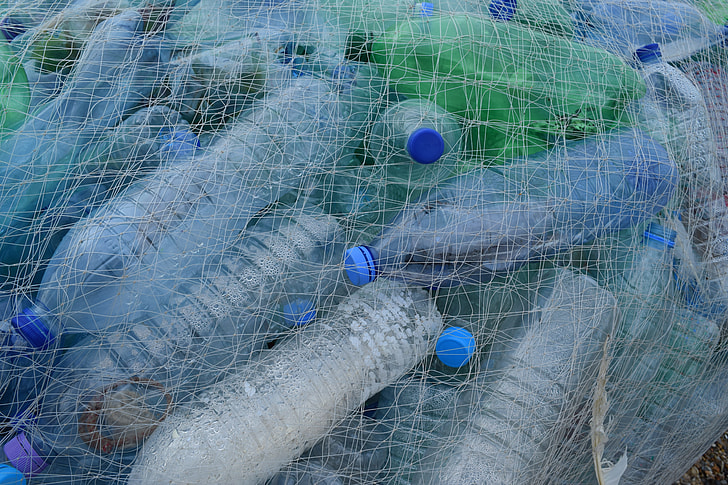
MLP Films
Cracking the Code of MLP Waste: Recycling Multi-Layer Films at Scale
Multi-layer plastic (MLP) films are everywhere — in snack wrappers, packaging, pouches, and sachets. Designed for durability, barrier protection, and shelf life, they combine layers of plastic, aluminum, adhesives, and inks — making them nearly impossible to recycle through conventional methods.
As a result, MLP waste has become one of the biggest contributors to plastic pollution, often ending up in landfills, incinerators, or oceans.
We’ve built a solution that works — at scale.
Our proprietary process enables the efficient recovery and recycling of MLP waste, separating and processing the complex layers into usable secondary raw materials. From plastic pellets to alternative fuels and filler materials, we ensure that no part of the film goes to waste.
Key benefits of our MLP recycling process:
1. Handles mixed, contaminated post-consumer waste
2. Converts waste into usable plastic granules or energy sources
3. Prevents non-recyclable packaging from reaching landfills
4. Scalable and industrially proven process
By recycling MLP at scale, we’re solving one of the toughest waste challenges in the global packaging industry — and creating a model that’s both environmentally and economically sustainable.
Multi-layer waste isn’t the end of the line — it’s the start of a circular future.
We’ve built a solution that works — at scale.
Our proprietary process enables the efficient recovery and recycling of MLP waste, separating and processing the complex layers into usable secondary raw materials. From plastic pellets to alternative fuels and filler materials, we ensure that no part of the film goes to waste.
Key benefits of our MLP recycling process:
1. Handles mixed, contaminated post-consumer waste
2. Converts waste into usable plastic granules or energy sources
3. Prevents non-recyclable packaging from reaching landfills
4. Scalable and industrially proven process
By recycling MLP at scale, we’re solving one of the toughest waste challenges in the global packaging industry — and creating a model that’s both environmentally and economically sustainable.
Multi-layer waste isn’t the end of the line — it’s the start of a circular future.
Read more